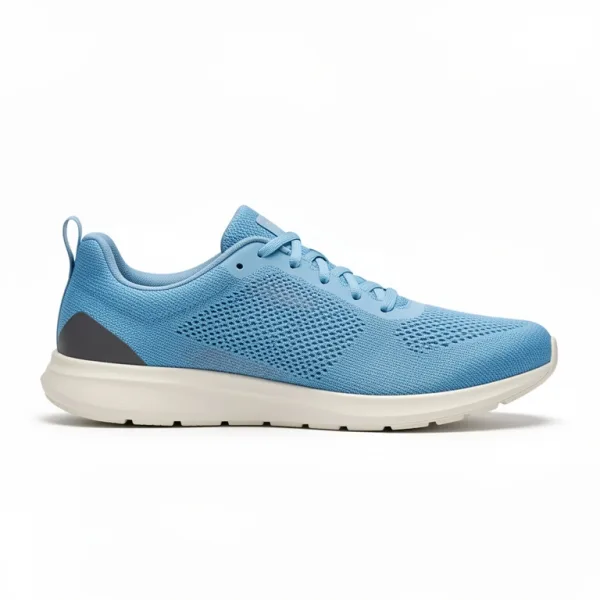
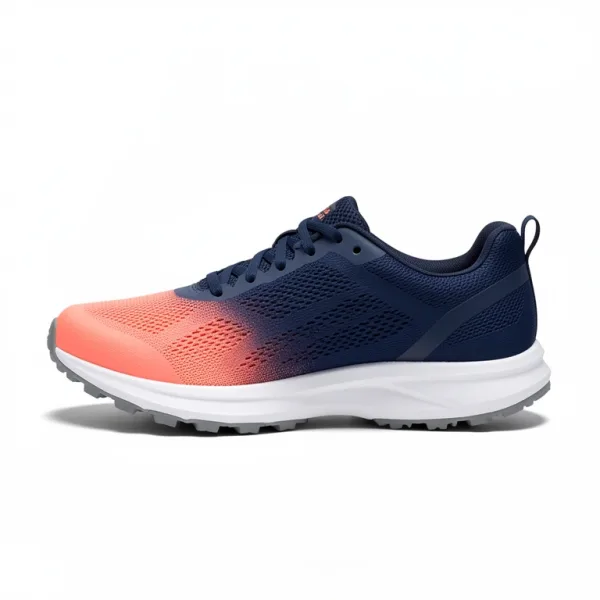
 Cadence Road Knit Running Shoe
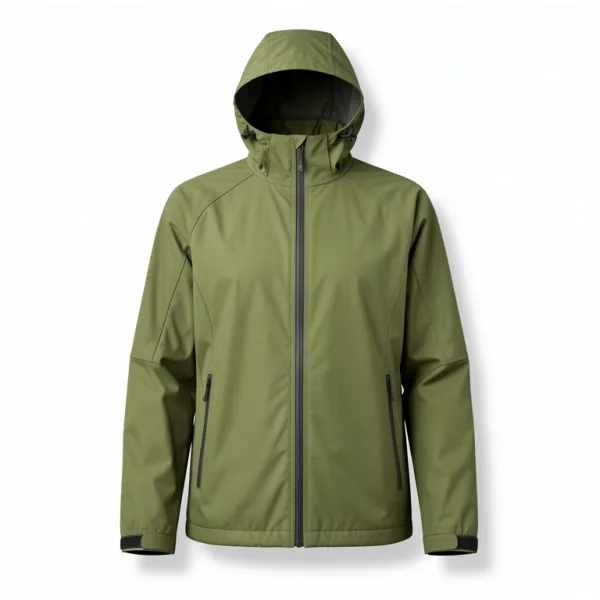
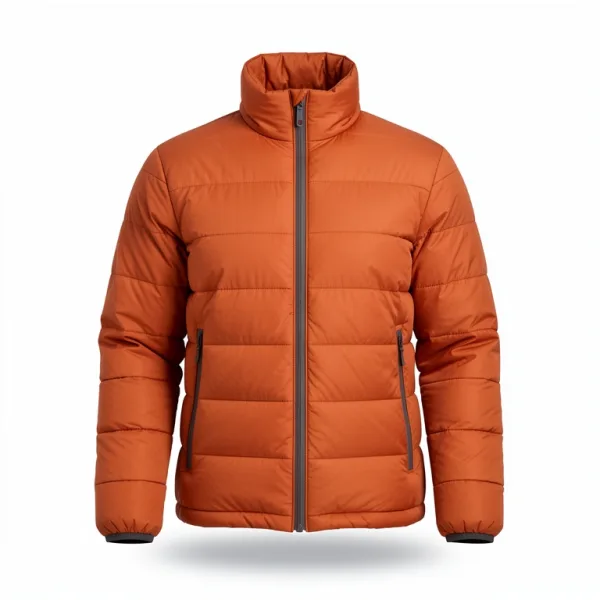 Larchmere Down Jacket
Typos, did you mean, and related results
NewMisspelled words still find the product, and exact matches come first. When nothing matches, the shopper gets a corrected search, or related results by meaning.
Search that forgives typos, filters that keep counting, merchandising for every page, and analytics that show what to fix next.
Every feature works on every plan, Free included. Recommendations is an add-on.
Misspellings, run-together words and your shoppers' own words for things still find the product.
Misspelled words still find the product, and exact matches come first. When nothing matches, the shopper gets a corrected search, or related results by meaning.
Popular searches as the shopper types, and their own recent searches.
Your shoppers' words for your products, such as trainers for running shoes.
drumkit finds drum kit, and face paint finds facepaint.
Danish, German, English, Icelandic, Norwegian and Swedish.
don't, 3.5mm and j.r.r match the way they're written.
Results on every keystroke, without waiting for the last one.
The words that matched, marked in each result.
Facets, price sliders, sorts and variants, for catalogs from a hundred products to hundreds of thousands.
Each product shows once, as the variant that matches: search for navy, see the navy one. Works with a record per variant or variants inside one record.
Brands and sizes stay listed after a shopper ticks one, on any field, lists included.
Number ranges that know the catalog's lowest and highest value.
Red or blue, and size 42 or 43, in one search.
Price, newest or best match, without a copy of the catalog for each.
Nearest first, or only what's inside the map's view.
Facets stay quick on big indexes.
Pin, boost, bury and hide products on searches and category pages, schedule campaigns, and see every change before it goes live.
Rules pin, boost, bury or hide products on a category page, for a context such as black-friday, and only between two times, so a campaign starts and ends by itself.
See which results move before you save, and keep the searches that must keep working.
A product at the place you choose, such as a new arrival first on the shoe page, with words or without and on every sort.
Arrange a category page or a search on a grid of its products: drag one to a place, hide some, add a banner or send the search to a page.
Products in stock before sold-out ones, whatever else matches.
Best sellers or the most viewed first, among equally good matches.
Pin, boost, bury, hide, filter or rewrite a search, and send your page data for a banner.
One rule for every size or age a shopper types.
Why each result matched, and what put it where it is.
Recommendations for product pages, and lists for the home page and menus, served without counting as searches.
For every product page: products that go with it, similar ones to choose instead, and products bought in the same orders. An add-on to a paid plan.
Rows such as Popular or New arrivals, and menus of a field's values, with products pinned or hidden. Built ahead and served from a cache, so they never count as searches.
What search sells, what finds nothing, and where shoppers click, in the dashboard, a Monday email and the API.
How much of your sales came after a search, and which searches and products brought it.
Each says why it found nothing, a typo, another word or something you don't sell, with a checked fix you add in one click.
Which positions get the clicks, and searches whose clicks land further down.
Clicks, product views and orders in a line of code, through your own domain if you like.
A Monday email with last week's searches, what found nothing, and revenue from search, for everyone on the team.
Visitors, crawlers, scripts and your servers, what the cache answered, and what was refused and why.
The same numbers for your own dashboards, and for AI agents.
Crawlers are left out of search analytics and counted on the Traffic tab instead.
Two small SDKs, React components, a Shopify app, and an MCP server your coding agent can do the move with.
Connect Claude Code, Cursor or another MCP client, and your agent creates the index, loads records, tunes settings and fixes searches that find nothing.
Settings, rules, synonyms and records come across, and InstantSearch pages keep working when you point the client here.
Search, suggestions, lists and events straight from the page, with no backend.
A search box, a search dialog, or hooks for your own markup.
Records, settings and search from your backend.
Install the app, and the catalog syncs and search is on the storefront.
Connect a WooCommerce store in a click: its products in step, its search box and results page answered by Findlane.
Your store's Google or Meta feed, read every hour, so the index keeps in step without code.
One script tag, and your own site's search box shows products as visitors type, with a results view.
A write is searchable as soon as it's accepted.
Stage a full replacement in batches, then make it live in one commit.
A stale write gets a 409, and idempotency keys make retries safe.
Keys, allowed origins, limits and a spending cap, set the way you want them.
Extra searches stop where you say, and never cost more than the next plan up.
A popular search answered from the cache doesn't count, and neither do verified crawlers.
Browser search answers only on your sites, and reads only the fields you allow.
Search or write access, locked to one index if you like, and editable later.
Per index and per key, for visitors, crawlers and scripts.
Invite owners and members, on every plan.
Events can wait for consent, a visitor can be forgotten on request, and events are kept 13 months.
The newest changes. The changelog has every one, with a feed.
Free holds 10,000 records and 10,000 searches a month, with every search feature on this page. Upload a catalog, or bring your settings from your current search.
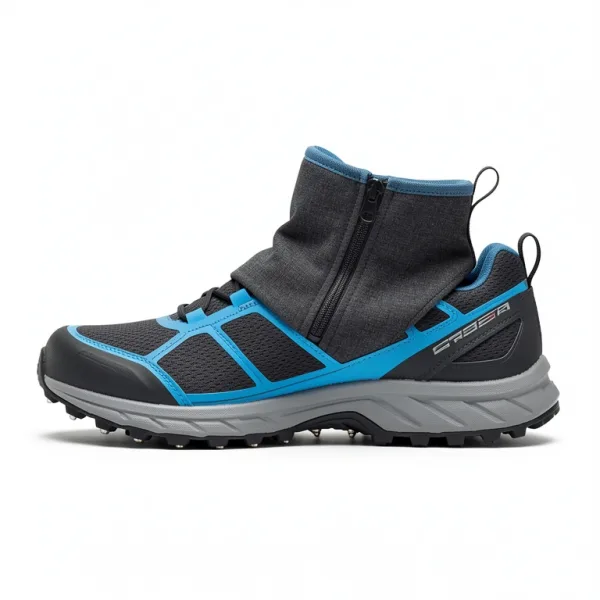 Hoarfrost Winter Trail
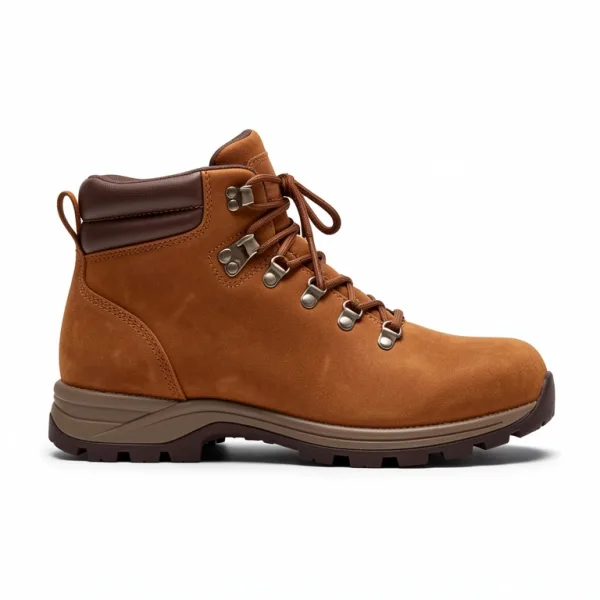 Summit Mid Hiker
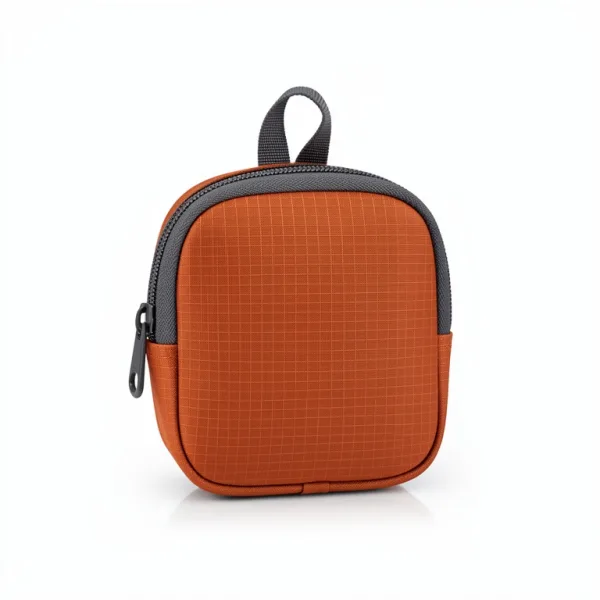 Mend Repair Kit
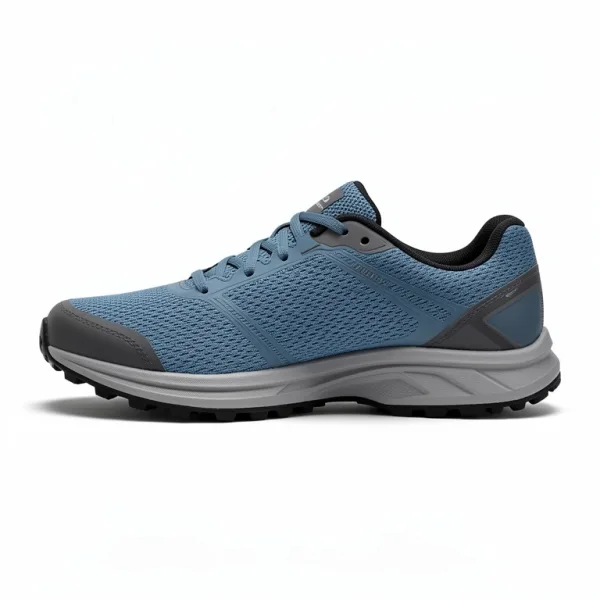 Talus Ridge Waterproof
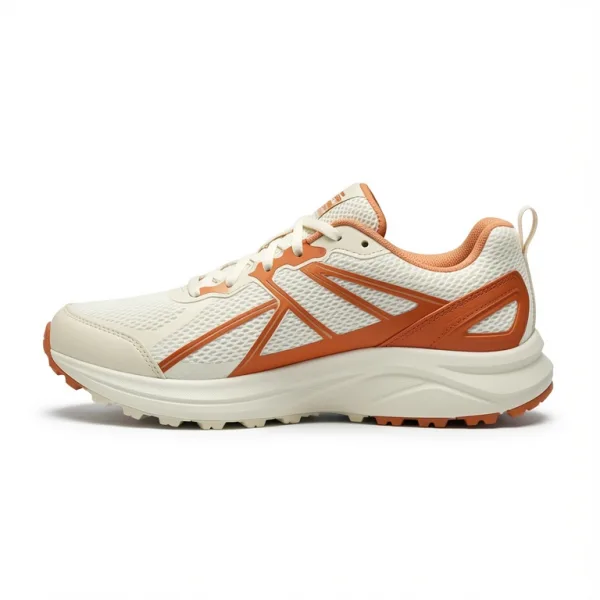 Longhaul Ultra
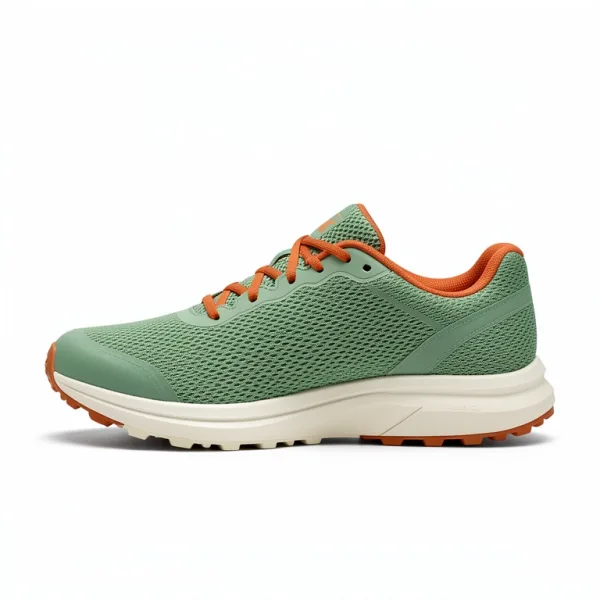 Bracken 2
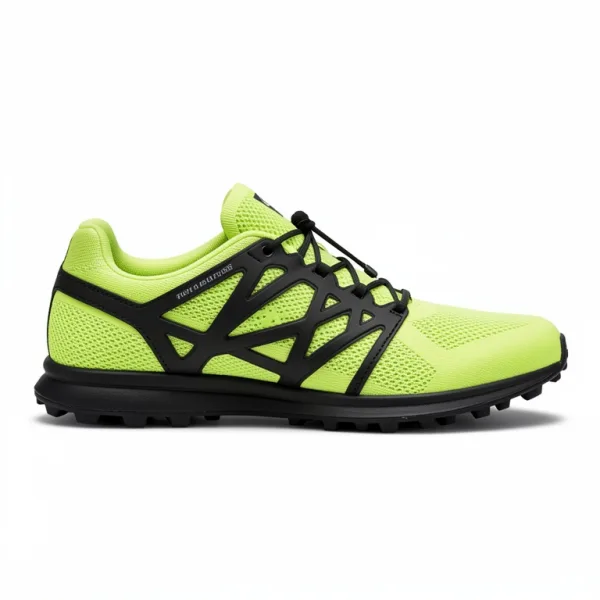 Crag Sprint
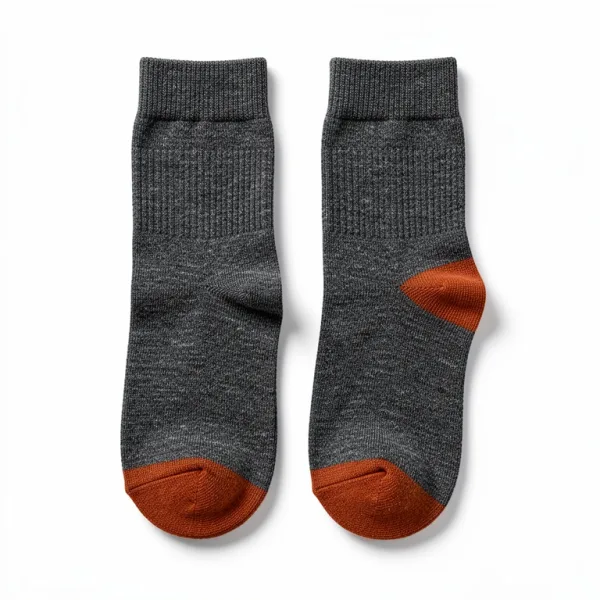 Trailbed Sock
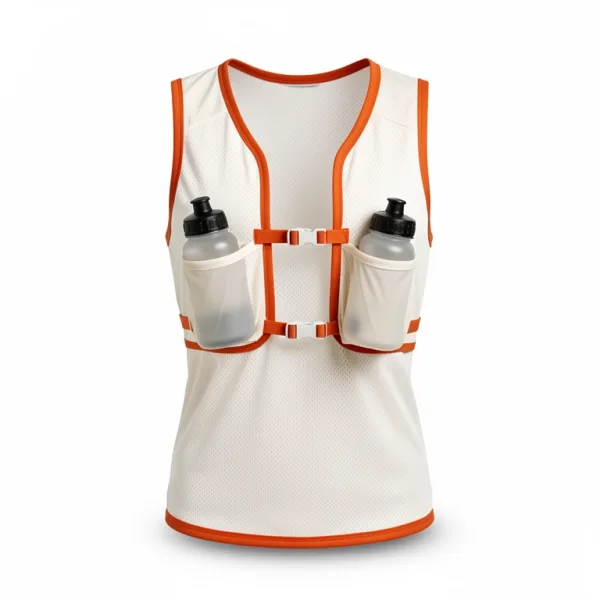 Swiftline 5 Vest
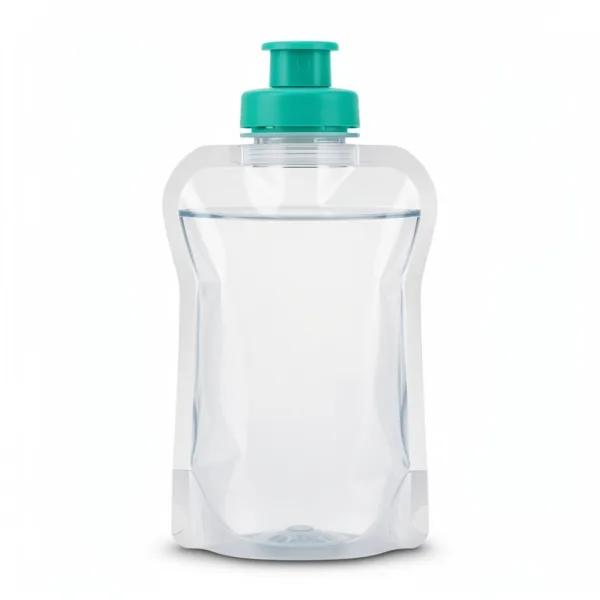 Scree Soft Flask
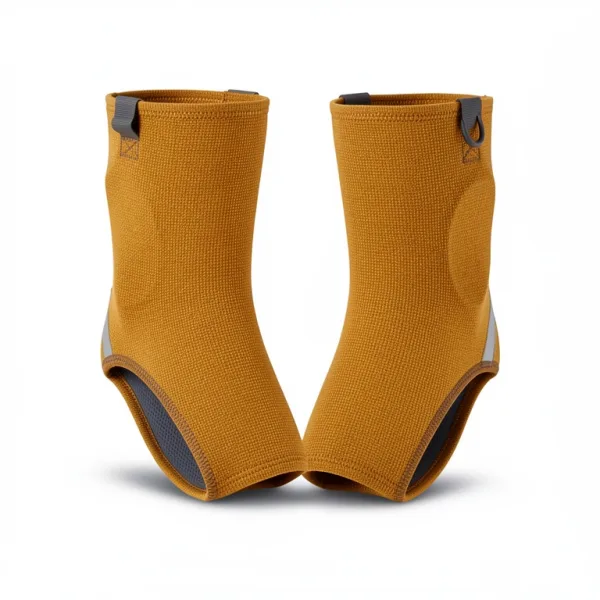 Boulderfield Gaiters